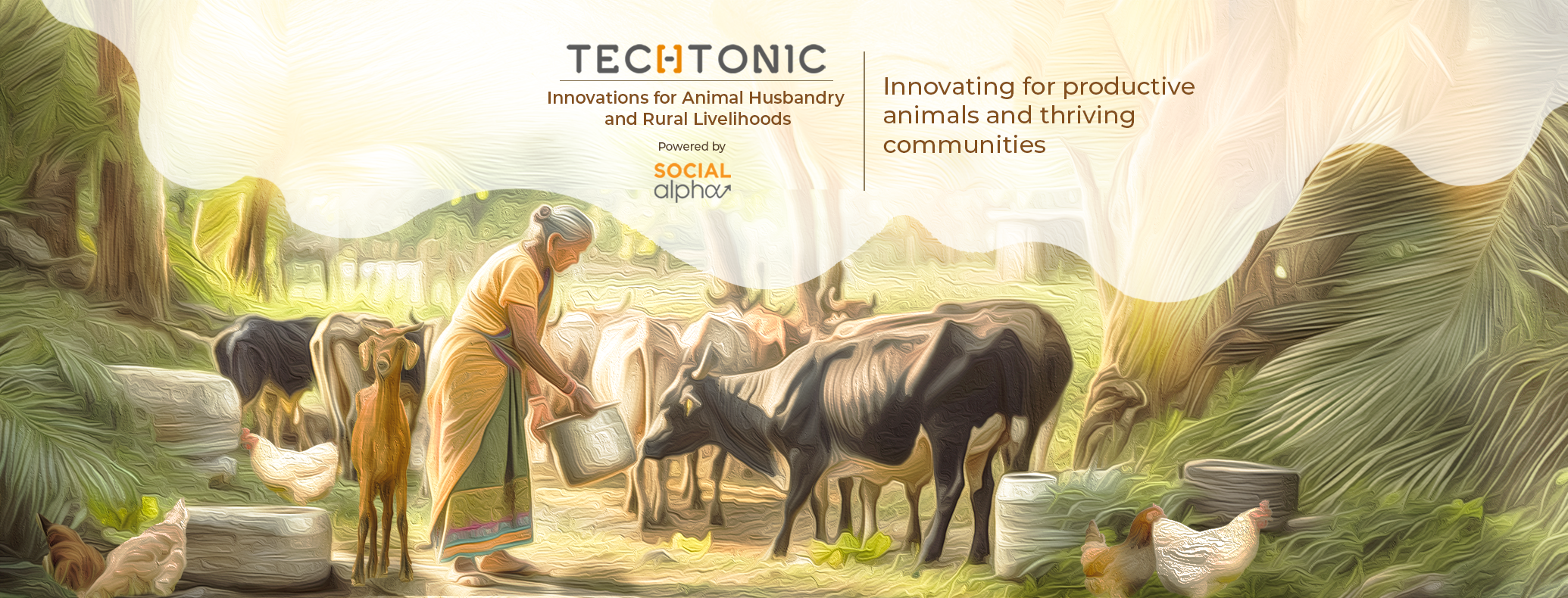
India’s livestock sector supports 20.6 million people, employing 8.8% of the population.
It is home to 512.06 million livestock heads — the largest animal husbandry base in the world.
The sector contributes 4.2% to India’s GDP and 25% to agricultural GDP.
India is the largest producer of milk globally, producing more than 247 million tonnes annually, and ranks among the leading producers of fish, poultry, eggs, and meat.
Livestock production has grown at over 5% annually for the past two decades — consistently outpacing traditional crop agriculture.
The sector’s share in farm income has risen from 4% in 2002–03 to nearly 13% in 2022–23.
OVERVIEW
India’s livestock sector is among the largest and fastest-growing in the world — and a cornerstone of the country’s agricultural economy, nutritional security, and rural livelihoods. Despite this growth, the sector continues to face deep structural constraints. Low per-animal productivity, disease outbreaks, antimicrobial resistance, feed and fodder shortages, fragmented markets, and inadequate veterinary infrastructure continue to limit the income potential of livestock farmers. These inefficiencies are further compounded by poor resource management and growing climate pressures, including the underutilization of livestock waste streams that could otherwise generate clean energy, organic fertilizers, and additional farm income.
These challenges are not isolated. They are interconnected symptoms of a system that was never designed to optimize productivity, profitability, and sustainability together. Poor nutrition weakens health. Poor health reduces reproductive efficiency. Low productivity increases herd pressure. Larger herds increase waste loads. Unmanaged waste forfeits energy and nutrient value that could reduce farm expenses. Farmers are trapped in a cycle of high inputs, low efficiency, and rising climate risk.
Breaking this cycle requires more than incremental improvements in individual inputs. It requires science-first farm-centric innovation that treats dairying as a circular biological and economic system.
Techtonic: Innovations for Animal Husbandry and Rural Livelihoods is built on this system lens. It aims to address these interconnected challenges by scouting and supporting scientific farmer centric scalable technologies and innovations across animal nutrition optimization, preventive and predictive animal health, reproductive efficiency, value chain strengthening and waste-to-value solutions. By enabling holistic interventions across the value chain, the challenge seeks to improve productivity per animal, lowering input costs, increasing farmer incomes, creating new value streams and making livestock climate resilience, and for India’s small and marginal livestock farmers.
Focus Areas
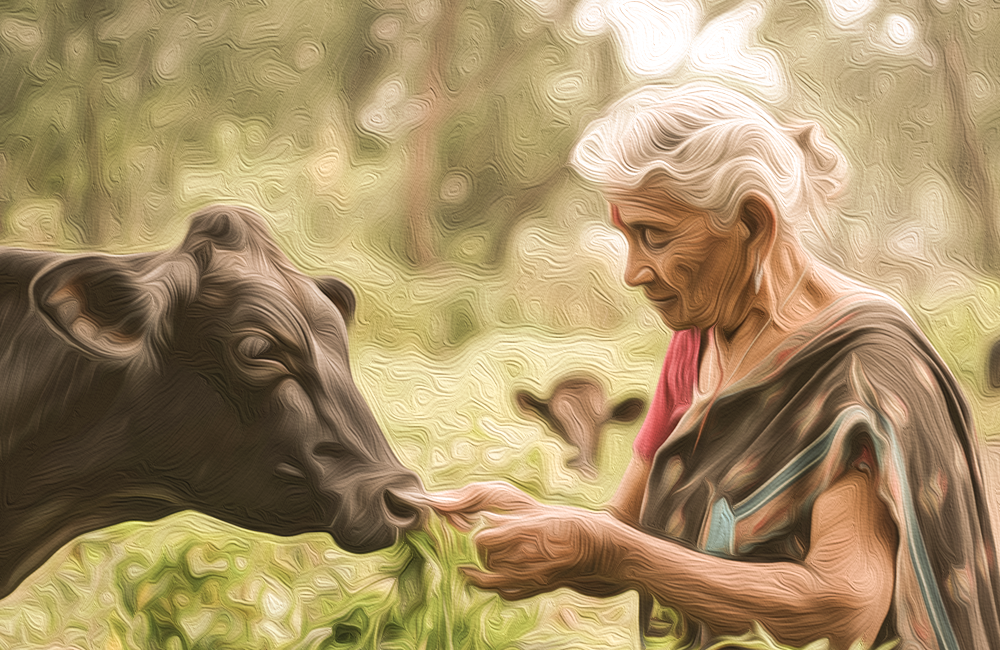
Fodder shortages and rising feed costs, combined with generic concentrates, continue to constrain livestock productivity across dairy, poultry, fisheries, and small ruminant systems.
Potential solutions include but not limited to:
- Targeted bio formulations and alternate feed sources: Develop feed formulations/ feed sources that cater to specific livestock nutritional needs, considering regional variations, and farming practices. This includes innovations in low-cost feed processing technologies to improve feed utilization, reduce costs, and enhance resource efficiency
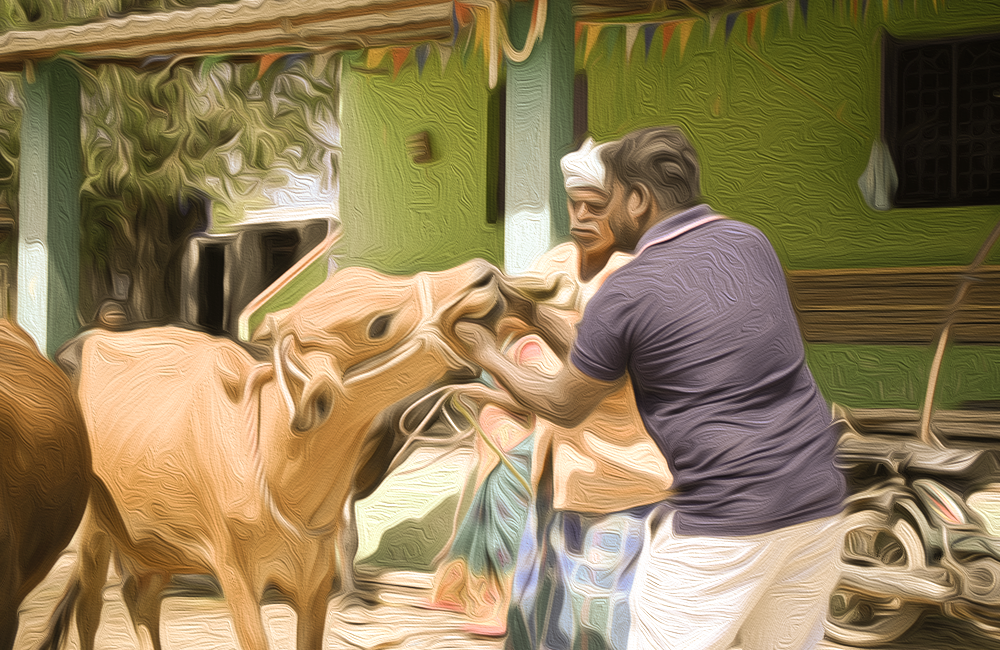
Poor disease management, delayed detection and antibiotic overuse significantly affect livestock health and performance. Similar risks exist across poultry, fisheries, and small ruminants where disease outbreaks spread rapidly
Potential solutions include, but not limited to:
- Durable, non-invasive monitoring devices) for early/rapid detection of key diseases and healthcare platforms combining diagnostics, advisory, and last-mile delivery.
- Last mile cold chain portable solution and thermostable vaccine for veterinary services
- Solutions for AMR in animal health (Diagnosis, precision prescription etc.)

Persistent delays in health and pregnancy detection, alongside low insemination reduces reproductive efficiency of the livestock.
Potential solutions include, but not limited to:
- AI guns with improved accuracy and guidance for para vets/farmers
- Genetic improvements for high merit breeding
- Rapid, non-invasive pregnancy detection kits that enable early confirmation of conception
- Compact wearable or visual detection tools for estrus monitoring developed for extremely rural conditions having long range transmission

A significant share of value in livestock sector – across milk, meat and eggs is lost between farm and market due to weak herd management, fragmented supply chains, inadequate cold chains and limited processing capacity.
Potential solutions include, but are not limited to:
- Distributed cold chain and decentralized processing units preferably using renewable energy to reduce spoilage.
- Price discovery and market linkages for farmers to enhance price realization
- Traceability and quality assurance solutions for milk, meat and eggs to enable last mile verification and access to premium markets.
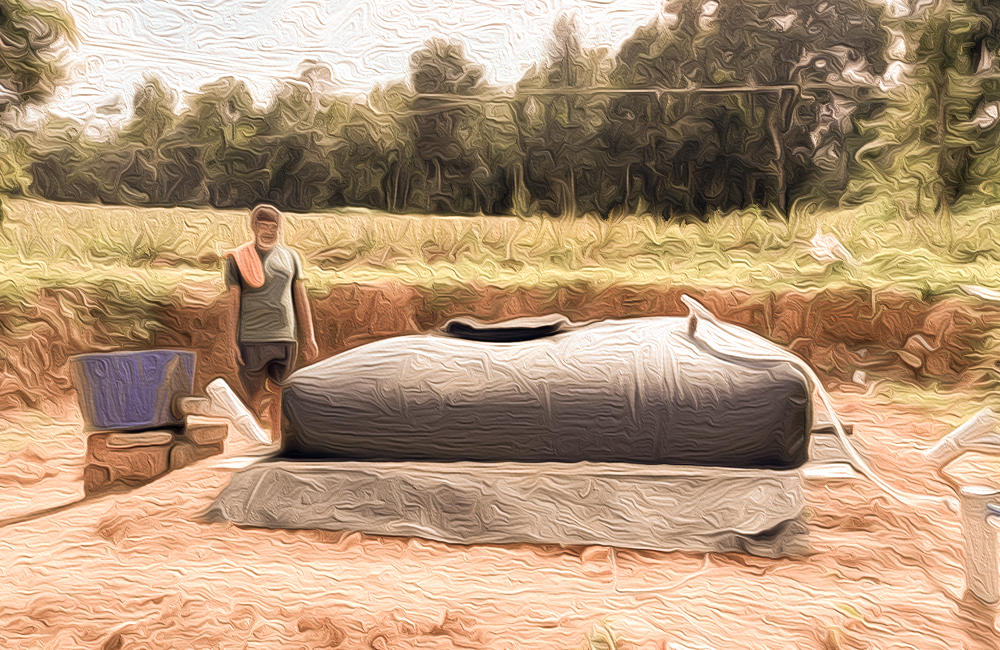
The uncontrolled decomposition of manure and organic waste releases methane into the atmosphere, contributing to climate change. Accumulated animal dung and crop residues create foul odours, attract disease-spreading insects, and pose serious health risks. Additionally, farmers are forced to rely on firewood, kerosene, or LPG for cooking and heating—options that are not only costly but also harmful to health and the environment.
Potential solutions include, but are not limited to:
- Affordable and modular biogas systems with standardised design that are easy to install, operate and maintain – with a focus on enhanced user experience and the ability to process multiple feedstocks (manure, agri-residues, food waste).
- Systems with locally adaptable microbial consortiums/nanoparticles to enhance methane yield, even in cold or damp climates.
- Innovations to simplify slurry management, convert it to useable products, and create market linkages to enhance farmer incomes.
Who Should Apply
Innovators and start-ups developing science-based solutions across animal nutrition, health, reproduction, value chains, and biogas are encouraged to apply.
To be eligible, technologies must aim to create sustainable impact for small and marginal farmers and currently operate at the Development stage (TRL 3–6) with lab or field validation, the Pilot stage (TRL 7–8) ready for early product-market fit testing, or the Scale-Up stage (TRL 9) demonstrating clear market evidence and readiness for commercial expansion.
Program Offerings


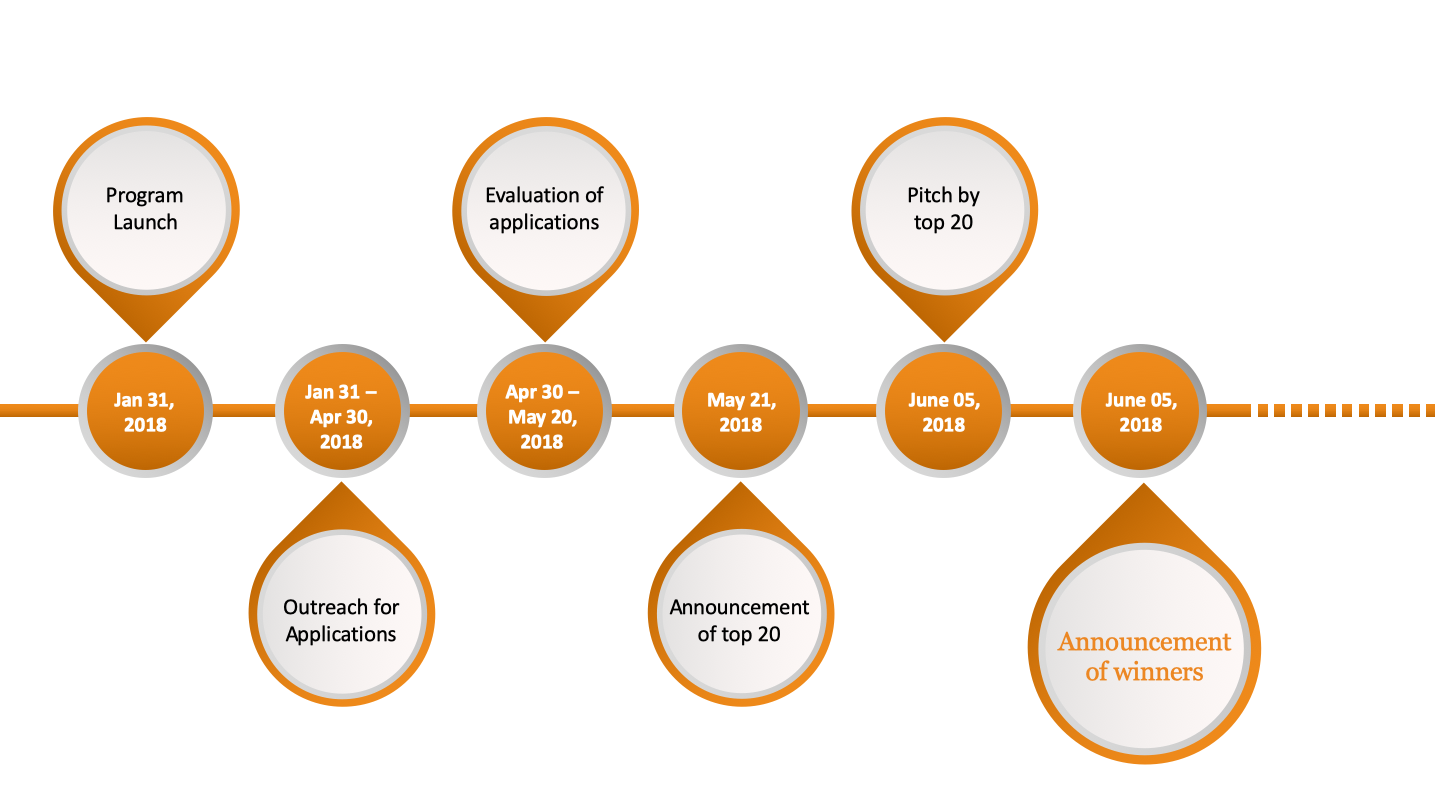
Important Dates
-

Applications Open
May 4th, 2026
-

Application Deadline
May 31st, 2026
-

Evaluation of Applications
June, 2026
-

Jury Round
June, 2026
-

Winner Announcement
July, 2026
-

Start-up Acceleration
July, 2026 Onwards
Our Partners




frequently asked questions
1. Who can apply for the program?
Innovators and entrepreneurs with transformative technologies solving challenges for smallholder livestock farmers, spanning animal nutrition, health, reproduction, value chains, biogas, and beyond, are encouraged to apply. The program is open to individuals, groups, and start-ups registered in India.
2. In which category am I eligible to apply?
Applicants are requested to select the most appropriate category based on their product development stage. To be eligible, technologies must aim to create sustainable impact for small and marginal farmers and currently operate at the Development stage (TRL 3–6) with lab or field validation, the Pilot stage (TRL 7–8) ready for early product-market fit testing, or the Scale-Up stage (TRL 9) demonstrating clear market evidence and readiness for commercial expansion.
3. Is there any preference for an innovation?
Applicants are encouraged to submit applications for technology-based innovations that focus on solving challenges faced by smallholder dairy farmers across the country. The innovation may be a product, platform or service, but must be aligned to the focus areas outlined in the program. There is a preference for technology-based innovations that have a high social impact potential and are aligned to with existing central or state government schemes.
4. Can I submit more than one application for different technologies?
No, one enterprise is applicable for only one application. If your enterprise has multiple SKUs or innovations across different technologies, you can easily include them by choosing multiple “areas of focus” on the application form and describing each of your innovations.
5. What is the duration of the engagement?
The engagement for the selected startups is typically 12 months long. However, it will vary from case to case based on the needs of the start-up or innovation. Post selection, the innovator/startup will work with Social Alpha to develop a customized support proposal, which will detail the specifics of the support it will receive under the program. If the innovator/startup and Social Alpha are not able to agree on the support proposal, the engagement will not proceed further, and the innovator/startup will be dropped from the cohort.
6. What are the different types of benefits I can avail?
The selected cohort will receive tailored acceleration support based on a comprehensive needs assessment. Startups will gain access to sandbox facilities and structured field trials for real world product validation, alongside direct linkages with cooperatives, private industry players, and a vast network of over 200+ Farmer Producer Organizations reaching more than 2,00,000 farmers. This practical deployment is backed by expert feedback and assistance in identifying field partners for seamless last mile execution.
To ensure scalable growth, the program offers comprehensive support for building go to market strategies, coupled with dedicated mentorship and capacity building sessions from sector experts. Participants will also benefit from incubation infrastructure including shared office spaces and advanced rapid prototyping labs. Furthermore, startups may receive financial support in the form of catalytic funding or seed investment opportunities of up to 50 lakhs evaluated strictly on a case-by-case basis, as well as facilitated access to larger investor networks following detailed due diligence.
7. If selected, do I have to be physically present for any cohort-based sessions? Is attendance necessary?
The cohort will be required to attend the orientation launchpad. There may also be a need to participate physically in other sessions during the program. The start-ups/innovators will also be required to attend relevant workshops, events, and demo days during the incubation period physically or virtually depending upon the need. Unless there is a pre-communicated genuine and unavoidable reason for absence, start-up/innovator missing most of the program will not only lose the actual benefits of their selection but may also be reconsidered for continued support from the program.
8. How frequently will Social Alpha interface with the cohort during the program?
There will be regular interface between the start-up/innovator and the Social Alpha team. Each start-up will be allocated a portfolio manager to help with customised requests, who will engage with the start-ups/innovators continually and regularly.
9. What kind of funding support can I avail through the program?
Opportunity to receive catalytic funding or seed investment of up to ₹50 lakhs to support pilot initiatives. Please note that this funding is not promised or guaranteed and is evaluated entirely on a case-by-case basis. Start-ups may also gain facilitated access to a larger investor and donor network, subject to detailed due diligence.
10. Can I submit my application after the deadline?
No, applications submitted after the stated deadline will not be evaluated.
Terms and Conditions
Please read the following terms and conditions before submitting your entry:
1. Eligibility
- Participating or proposed ventures should be independent entities, meaning that they should not be a subsidiary of an existing corporation or have legal ties to a government body.
- As the program is looking for start-ups to work on establishing marketing channels for existing products and not research, only those with developed ideas and/or prototypes should apply.
- The applicant should be a registered company in India. The shareholding by Indian promoters in the company should be at least 51%.
- The participating entity must not be registered as a Section 8 company or a Trust.
- The startup or company should not have been incorporated for more than 10 years.
- The applicant’s annual turnover must not exceed ₹200 crore (or Rs.300 crore for DeepTech ventures) in any given financial year.
2. Submissions and Participation
- Submissions which are incomplete will be deemed void and disqualified from the program evaluations.
- Submissions should be the original work of the participant/participating entity, should demonstrate positive social or environmental impact, and should have a disruptive technology innovation with the potential to be sustainable and scalable in India (though not exclusively in the region).
- Participants who are selected to be ‘Finalists’ and ranked in the final evaluation stage might be required to send at least one core member for the final round of evaluations, at their own expense.
- Winners agree to the use of their names, photographs, and the disclosure of their country of residence; and are required to cooperate with any other reasonable requests by the organiser relating to any publicity-related activities.
- Winners may have to submit a declaration of good standing and solvency at the final stage of evaluation. If there is any change in circumstance that invalidates their good standing and solvency, the team is to immediately inform the organisers.
- All participants own the rights to their ideas. Participants must properly acknowledge any trademarks, patented or copyrighted materials of others that are incorporated into the submission materials. Participants are responsible for obtaining any necessary permission before utilising such materials in their submissions.
- Participants are advised not to disclose critical information that would affect the successful filing of patent(s) or that which may be trade secrets. All presentations are open to the general public, and some presentations may be videotaped. Attendance by media personnel is expected in the final stages of the program. Any data or information discussed or divulged in public sessions by participants should be considered information that will likely enter the public realm, and entrants should not assume any right of confidentiality in any data or information discussed, divulged or presented in these sessions.
3. Decisions regarding the winners
- The selection of the ‘Winners’ is at the sole discretion of the judges and the organisers from Social Alpha and partnering organisations.
- Throughout all phases of the Challenge, all decisions of the judges and organisers are final.
4. Disqualification and Organiser’s Right to Amend Competition Rules
- The organisers of the program reserve the right to disqualify any participant who is found to have violated the spirit of the application guidelines and terms and conditions stated herein. Disqualified participants shall forfeit all prizes/support awarded to them.
- The organisers reserve the right to amend these rules at any point in line with the overall goal of the Challenge.
- The indicated dates for the applications may be revised at any point of time by the organisers. Any change in schedule will be suitably intimated on the applications webpage and on other relevant platforms.
For any assistance needed in filling the application form, please reach out to us at